


Lazio: a rich history of triumphs and challenges
The Impact of Lazio on Italian Culture: From Art to Cuisine
| Aspect | Impact |
|---|---|
| Art | Lazio has been home to many famous artists such as Michelangelo and Raphael, who contributed to the Renaissance artistic movement. |
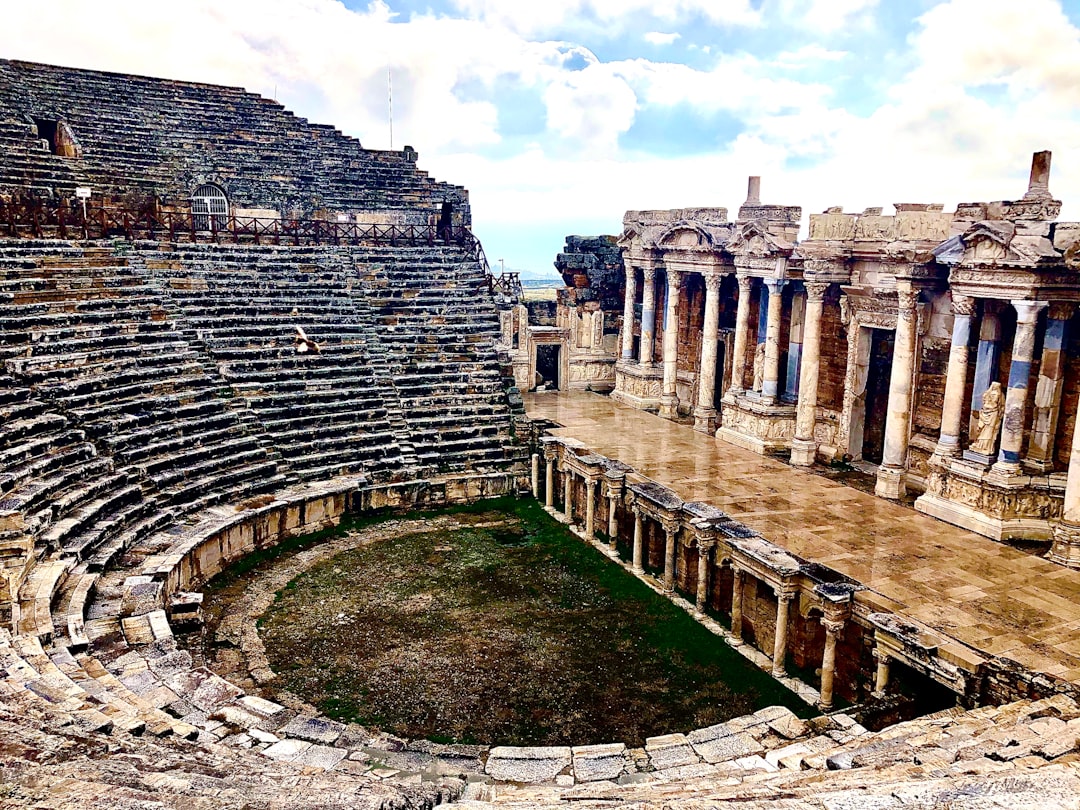
| Architecture | The region is known for its ancient Roman architecture, including the Colosseum and the Pantheon. |
| Language | Lazio is the birthplace of the Italian language, which has had a significant impact on the country’s culture and identity. |
| Cuisine | Lazio’s cuisine, which includes dishes like carbonara and amatriciana, has become an icon of Italian gastronomy. |
| Music | The region has been a hub for classical music, with composers such as Vivaldi and Verdi making significant contributions to the genre. |
Lazio’s influence extends well beyond the realm of sport: it plays a fundamental role in shaping Italian culture as a whole. The region is renowned for its contributions to art, architecture, and literature. Rome, as the capital, has been a muse for countless artists throughout history.
The works of masters like Michelangelo, Raphael, and Bernini can be found in various museums and churches across the region. The Vatican Museums house some of the world’s most important art treasures, attracting millions of visitors who come to admire their beauty and historical significance. In addition to its artistic heritage, Lazio is also famous for its culinary traditions.
The region boasts a rich culinary landscape, featuring hearty dishes that reflect its agricultural roots. Staple dishes such as pasta alla carbonara and saltimbocca alla romana are emblematic of Lazio’s cuisine, highlighting local ingredients like guanciale and fresh herbs. Markets throughout the region offer a wide range of fresh produce, cheeses, and cured meats that showcase Lazio’s agricultural wealth.
Food festivals celebrate these culinary delights, bringing together locals and visitors to share in the rich flavors and traditions of the region.
Lazio’s Rivalries: Intense Battles with Local and National Competitors
The sports landscape of Lazio is defined by fierce rivalries that extend beyond football. While the Derby della Capitale between SS Lazio and AS Roma is perhaps the most famous, other rivalries also contribute to the region’s competitive spirit. Matches against clubs like Napoli or Juventus evoke strong emotions among fans, as these encounters often have significant implications for the standings and bragging rights.
The intensity of these rivalries is palpable both on and off the field, with fans passionately rallying behind their teams. The rivalry with Napoli is particularly noteworthy for its historical context: both clubs have experienced periods of dominance in Italian football. Matches between these two teams are often characterized by high stakes and dramatic moments that keep fans on the edge of their seats.
Similarly, encounters with Juventus are marked by a long-standing competition for supremacy in Serie A. These rivalries not only heighten the excitement of every matchday but also foster a sense of community among supporters who share a common bond rooted in loyalty to their team.
The Future of Lazio: Navigating Toward Lasting Success
As Lazio looks to the future, it faces opportunities and challenges that will determine its trajectory in Italian football and beyond. The club’s management is focused on building a sustainable model that prioritizes the development of young talent, while maintaining competitiveness at the highest levels. Investments in youth academies have become a cornerstone of this strategy, allowing homegrown talent to rise through the ranks and contribute to the first team.
This approach not only strengthens the team but also promotes a sense of pride among local fans who see homegrown talent representing their club. Furthermore, Lazio aims to enhance its global presence by expanding its brand internationally. Engaging with fans outside of Italy through social media platforms and international tours can help cultivate a broader fan base and generate additional revenue streams.
Collaborations with sponsors and partnerships with other clubs can further strengthen this initiative. By navigating these avenues effectively, Lazio can secure a prominent place not only in Italian football but also on the world stage. In conclusion, Lazio finds itself at a crossroads where its rich history meets modern aspirations.
With a commitment to overcoming challenges and celebrating its cultural heritage, Lazio is poised for continued success in both sport and society at large. The passion of its supporters, coupled with strategic initiatives, will undoubtedly shape the future of this historic region as it continues to evolve in a constantly changing landscape.
If you’re interested in learning more about Lazio’s history, check out the article on the Triq Italia website. This article offers an in-depth look at the region’s rich cultural heritage and historical significance, providing insights into its past and present. Explore the fascinating stories and landmarks that have shaped the identity of Lazio over the centuries.
Frequently Asked Questions
What is the history of Lazio?
Lazio is a central Italian region with a rich and diverse history dating back to ancient times. It was inhabited by various civilizations, including the Etruscans, Romans, and Byzantines.
What are the main historical landmarks in Lazio?
Lazio is home to many important historical monuments, including the Colosseum, the Roman Forum, the Pantheon, and Vatican City. These sites testify to the region’s rich history and cultural importance.
How did Lazio contribute to the Roman Empire?
Lazio was the heart of the Roman Empire and played a crucial role in its development and expansion. The city of Rome, located in Lazio, was the capital of the empire and served as a political, cultural, and commercial center.
What is the significance of Lazio in Italian history?
Lazio has played a significant role in Italian history, being the seat of power for various governing entities, including the Roman Empire, the Papal States, and the Kingdom of Italy. It was also a center for art, architecture, and intellectual thought.
How has Lazio’s history influenced its modern culture?
Lazio’s rich history has had a profound impact on its modern culture, influencing everything from cuisine and language to art and architecture. The region continues to be a major cultural and historical hub in Italy.


