


Explore the hidden gems of the Lazio region
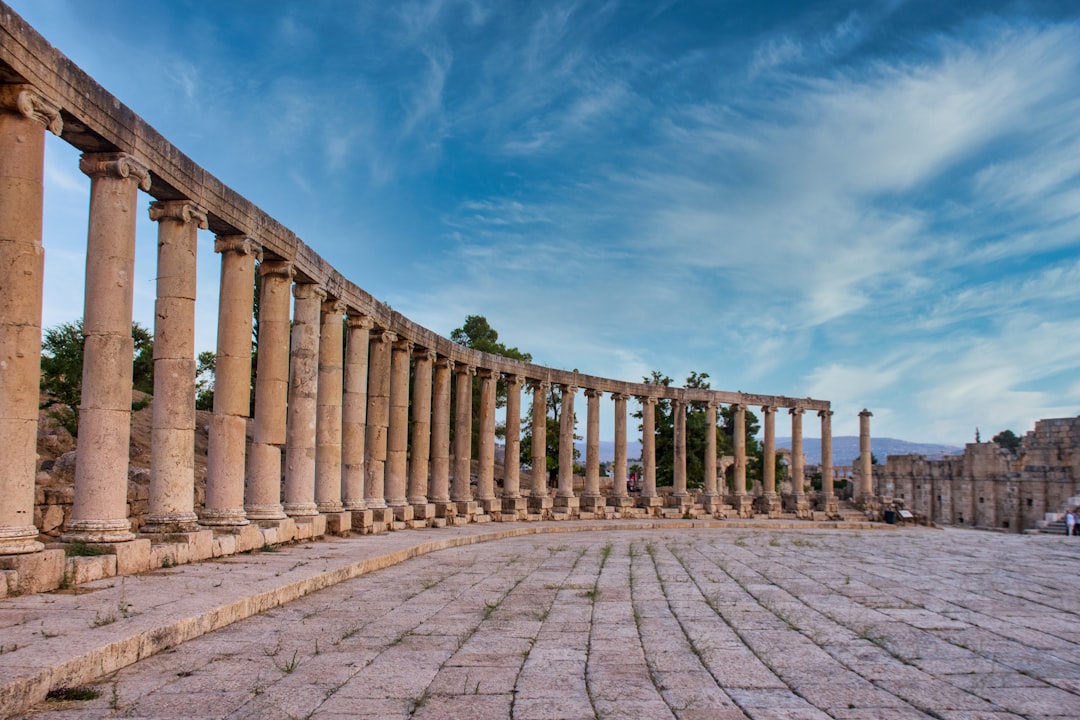
The journey through history often begins with the remains of civilizations that once thrived, and nowhere is this more evident than in the ancient ruins and monuments scattered across the landscape.
From the majestic pyramids of Egypt to the crumbling castles of Europe, each site tells a story of human effort, creativity, and resilience.
For example, the Acropolis of Athens is a testament to the architectural skill of ancient Greece, with structures like the Parthenon that have withstood the test of time.
Visitors can stroll through its sacred sites, absorbing the echoes of philosophers and statesmen who once walked there, contemplating the very foundations of democracy and art. Beyond the grand monuments, smaller historical sites often reveal equally captivating stories. The cobblestone streets of medieval cities, such as Carcassonne in France, transport visitors to an era when knights roamed and castles were fortified against invaders
The intricate details of Gothic architecture, with its soaring spires and decorated facades, invite exploration and admiration.
Every corner turned reveals a new story, whether it’s a stone wall weathered by the elements or an ancient fountain. These historical treasures not only serve to remind us of our past, but also as a source of inspiration for future generations, encouraging us to reflect on our shared human experience.
Strengths
- Historical treasures offer a glimpse into the past and allow one to learn about the culture and traditions of the region.
- Natural wonders provide the opportunity to engage in outdoor activities and enjoy breathtaking views of the landscape.
- Culinary delights showcase the unique flavors and ingredients of local cuisine, offering a memorable culinary experience.
- Immersing oneself in the local culture allows visitors to connect with the community and gain a deeper understanding of traditions and customs.
- Charming villages offer a peaceful and picturesque environment to explore and relax.
- Unique festivals and events offer a lively and engaging experience, allowing visitors to take part in local traditions and celebrations.
Discovering natural wonders
Nature has an unparalleled ability to fascinate and inspire, and the world is full of breathtaking landscapes that showcase its beauty. From the towering peaks of the Himalayas to the serene beaches of the Caribbean, each natural wonder offers a unique glimpse into the planet’s diverse ecosystems. The Grand Canyon in Arizona, for example, is not just an incredible visual spectacle: it is a geological wonder that reveals millions of years of Earth’s history through its layered rock formations.
Visitors can hike along its rim or venture into its depths, where they are enveloped by the size and grandeur of this natural wonder. Equally fascinating are the lush rainforests teeming with life. The Amazon Rainforest, often referred to as ‘the lungs of the Earth,’ is home to an incredible variety of flora and fauna, many of which are found nowhere else on the planet.
Exploring this vibrant ecosystem offers the opportunity to witness firsthand the intricate web of life in nature. Guided tours often include encounters with indigenous communities who have lived in harmony with the forest for generations, providing insights into sustainable practices and traditional knowledge that have been passed down over time. The experience is not simply about observing nature, but about understanding our place within it and recognizing the importance of conservation.
Let yourself be tempted by culinary delights
Food is a universal language that transcends boundaries and cultures, offering a delicious way to explore the heritage of a region. Culinary traditions often reflect the history and geography of a place, with local ingredients and cooking methods passed down from generation to generation. In Italy, for example, each region boasts its own specialties, from the rich pasta dishes of Emilia-Romagna to the fresh seafood of Sicily.
A visit to a lively market in Florence reveals a range of vibrant products, artisanal cheeses, and cured meats that inspire both locals and visitors to create tasty dishes. Street food also plays an important role in many cultures, offering an authentic taste of daily life. In Thailand, vendors serve fragrant bowls of pad thai or spicy green curry from their stalls, inviting passersby to savor bold and complex flavors.
The communal aspect of sharing food fosters connections between people, whether it’s a family gathering or a lively street festival. Culinary experiences can also go beyond traditional dishes; innovative chefs around the world reinterpret classic recipes, blending flavors from different cultures to create new and exciting gastronomic experiences.
Immersing oneself in the local culture.
| Aspect | Metrics |
|---|---|
| Language | Number of local phrases learned |
| Food | Number of local dishes tried |
| Traditions | Number of local customs experienced |
| Events | Number of local festivals attended |
To truly understand a place, one must immerse oneself in its culture, an intricate tapestry woven with traditions, beliefs, and practices that define a community. Engaging with local customs can provide profound insights into how people live and interact with each other. In Japan, for example, participating in a tea ceremony offers a glimpse into the country’s deep appreciation for harmony and mindfulness.
The meticulous preparation and presentation of matcha tea reflect values such as respect and tranquility, allowing participants to experience a moment of serenity amidst their hectic lives. Art is also a powerful means of cultural expression. Visiting galleries or attending performances can reveal the soul of a community.
In cities like Paris or New York, street art transforms urban landscapes into vibrant canvases that tell stories of social change and identity. Festivals celebrating local forms of art—whether music, dance, or visual arts—invite both locals and tourists to participate in shared experiences that foster understanding and appreciation of diverse perspectives. These cultural exchanges enrich our lives and broaden our horizons, reminding us that although we come from different backgrounds, our shared humanity unites us all.
Exploring the charming villages.
The charm of charming villages lies in their ability to transport visitors to simpler times, where life moves at a more peaceful pace. These picturesque settlements often boast scenic landscapes adorned with gentle hills, lush vineyards, or serene lake shores. In Tuscany, for example, small villages like San Gimignano are renowned for their medieval architecture and stunning views of the surrounding countryside.
Wandering through narrow streets lined with stone houses adorned with colorful flowers evokes a sense of nostalgia and tranquility. Local artisans often thrive in these villages, preserving traditional crafts that have been passed down through generations. Visitors can find pottery workshops in rural Spain or weaving studios in rural India, where skilled artisans create beautiful handmade products.
Meeting these artisans not only supports local economies but also fosters an appreciation for the ancient techniques that characterize their work. Moreover, village markets offer the opportunity to taste homemade products such as cheeses, jams, and baked goods: each bite tells a story of local ingredients and culinary heritage.
Experiencing unique festivals and events.
Festivals are lively celebrations that capture the spirit of a community and offer visitors the opportunity to connect with local traditions in an unforgettable way. Each festival has its own significance, whether religious, seasonal, or cultural, and attracts people to a joyful celebration. The Rio de Janeiro Carnival is perhaps one of the most famous examples; its dazzling parades with samba dancers in elaborate costumes create an atmosphere of exuberance that captivates both participants and spectators.
On the other hand, in smaller cities around the world, you can find quieter but equally meaningful events. The National Cherry Blossom Festival in Washington D.C., for example, celebrates the arrival of spring with a breathtaking display of cherry blossoms donated by Japan in 1912. This event not only highlights natural beauty but also symbolizes the friendship between nations.
Local performances, food stalls, and cultural activities further enrich the experience, allowing participants to connect with both nature and the community. These festivals often serve to remind people of shared values and collective identity within different societies. They offer the opportunity to tell stories through music, dance, and art, and strengthen bonds between people from diverse backgrounds.
Whether it’s participating in traditional dances during a harvest festival or enjoying fireworks during a national celebration, these events create lasting memories that resonate long after their conclusion, reminding us of the joy found in coming together to celebrate life’s moments.
If you’re interested in learning more about the Lazio region, you can check out the article on the Triq Italia website titled ‘News 02.’ This article can provide useful information on the latest news and updates related to Lazio. You can find the article by visiting this link.
Frequently asked questions
What is the Lazio region?
The Lazio region is one of the 20 administrative regions of Italy, located in the central part of the country. It is the third most populous region in Italy, and its capital is Rome.
What are the main attractions of the Lazio region?
The Lazio region is home to many famous attractions, including the city of Rome with its historical landmarks such as the Colosseum, the Vatican City, and the Roman Forum. Other notable attractions include the ancient city of Ostia Antica, the picturesque town of Tivoli with Villa d’Este and Villa Adriana, and the beautiful coastline of the Tyrrhenian Sea.
What is the climate of the Lazio region?
The climate of the Lazio region is typically Mediterranean, with hot, dry summers and mild, wet winters. Coastal areas enjoy a milder climate, while inland areas experience more extreme temperatures.
What are the traditional dishes of the Lazio region?
Traditional dishes of the Lazio region include pasta dishes such as spaghetti alla carbonara and bucatini all’amatriciana, the famous carciofi alla romana (Roman-style artichokes), and porchetta, a flavorful slow-cooked pork dish.
What are the main industries of the Lazio region?
The main industries of the Lazio region include tourism, agriculture, manufacturing, and services. The region also hosts a number of important institutions and organizations, including the Italian government and Vatican City, which contribute to the region’s economy.


