


Discovering Lazio: Exploring Ancient Rome and its magnificent monuments
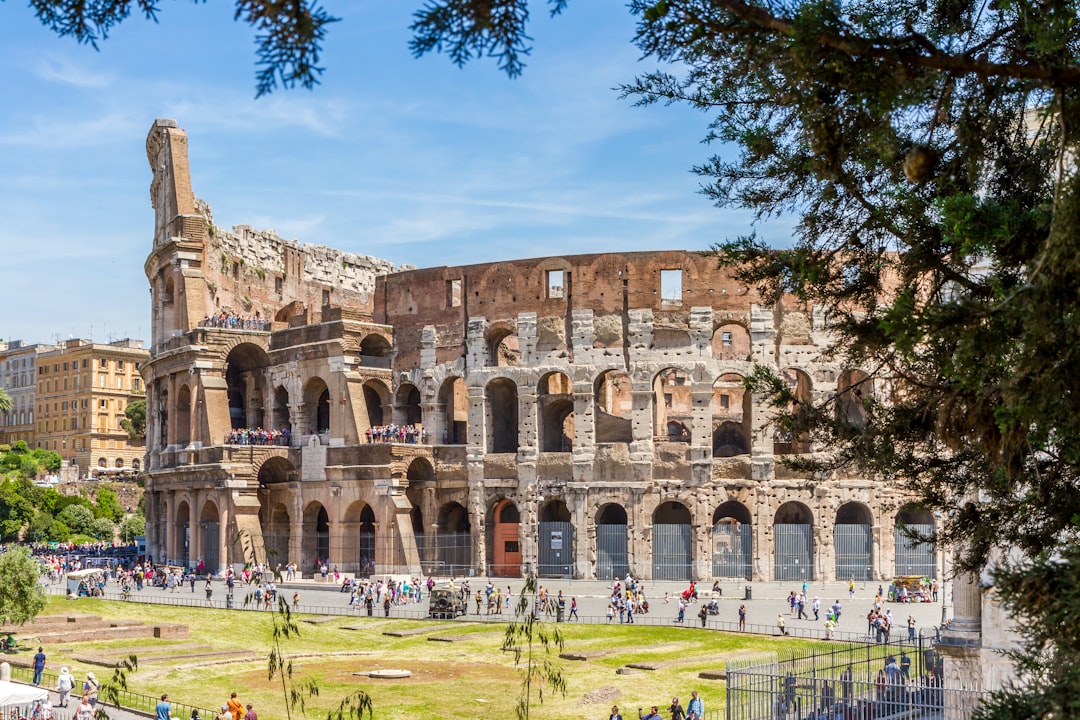
Lazio, a region in central Italy, is often synonymous with the greatness of Ancient Rome, which was the heart of one of the most powerful empires in history. The history of Lazio is deeply intertwined with the rise and fall of Rome, a city that began as a small settlement on the Palatine Hill around 753 BC and evolved over the centuries into a sprawling metropolis that dominated the Mediterranean world. The region’s strategic location along the Tiber River facilitated trade and military movements, contributing to its growth and importance.
As Rome expanded, it absorbed the surrounding territories, and Lazio became a vital part of this growing empire. The remnants of this illustrious past are evident throughout Lazio, where ancient ruins coexist with modern life. The Roman Forum, once the center of political and social activity, showcases the architectural prowess of the Romans with its temples, basilicas, and public spaces.
The Colosseum, an iconic symbol of Rome, stands as a testament to the engineering marvels of the era, capable of holding tens of thousands of people for gladiatorial games and public spectacles. In addition to these famous sites, smaller towns in Lazio, such as Ostia Antica and Tivoli, offer glimpses of daily life during the Roman Empire, with well-preserved ruins that tell stories of trade, religion, and leisure.
Highlights
-
Lazio is home to Ancient Rome, with a rich history dating back to the Roman Empire.
-
Iconic landmarks in Lazio include the Colosseum, Roman Forum, and Vatican City.
-
Lazio boasts a rich cultural heritage, with numerous museums and art galleries to explore.
-
From stunning coastlines to picturesque countryside, Lazio offers diverse natural beauty.
-
Culinary delights from Lazio include traditional dishes like carbonara, cacio e pepe, and Roman-style pizza.
Explore the Iconic Sites of Lazio
Vatican City: A Spiritual and Cultural Hub
Vatican City is a prominent destination, being the smallest independent state in the world. It is home to St. Peter’s Basilica, a masterpiece of architecture designed by Michelangelo. The basilica’s grand dome dominates the skyline, while its interior is adorned with magnificent artworks and intricate mosaics. The Vatican Museums, which include the Sistine Chapel, are a treasure trove of Renaissance art, with works by masters like Raphael and Caravaggio.
The Pantheon: An Ancient Marvel
Another symbol that embodies the essence of Lazio is the Pantheon, an ancient temple dedicated to the gods of Ancient Rome. Its extraordinary dome remains one of the largest unreinforced concrete domes in the world, a testament to the ingenuity of ancient engineers that has inspired architects for centuries. The oculus at its center allows natural light to illuminate the interior, creating a serene atmosphere that invites contemplation.
A Treasure of History
Visitors can admire the tombs of notable figures, including the famous painter Raphael and several Italian monarchs, further highlighting the historical significance of the Pantheon.
Lazio’s Cultural Heritage: Museums and Art Galleries
Lazio’s cultural heritage is rich and varied, reflected in its numerous museums and art galleries celebrating both ancient and contemporary art. The National Roman Museum is a prime example, housing an extensive collection of artifacts from the imperial Roman period. Visitors can explore various sections dedicated to sculptures, frescoes, and everyday objects that offer a glimpse into Roman life.
The Palazzo Massimo alle Terme, part of the museum, is particularly noteworthy for its stunning frescoes and mosaics, which have been meticulously restored. In addition to historical collections, Lazio is also home to contemporary art institutions like the MAXXI Museum in Rome. Designed by the renowned architect Zaha Hadid, MAXXI is dedicated to the art and architecture of the 21st century. Its dynamic structure reflects innovation and creativity, hosting rotating exhibitions featuring both Italian and international artists.
The Natural Beauty of Lazio: From Coast to Countryside
| Location | Attraction | Metric |
|---|---|---|
| Coast | Beaches | Number of beaches: 30 |
| Mountains | Hiking Trails | Total trail length: 500 km |
| Lakes | Panoramic Views | Number of lakes: 15 |
| Countryside | Vineyards | Area covered by vineyards: 10,000 hectares |
In addition to its historical and cultural significance, Lazio boasts breathtaking natural landscapes ranging from picturesque coastlines to rolling countryside. The region’s coastline along the Tyrrhenian Sea is dotted with charming seaside towns such as Sperlonga and Santa Marinella. Sperlonga is particularly famous for its beautiful beaches and archaeological sites, including the ancient villa of Emperor Tiberius, where visitors can explore stunning caves adorned with sculptures.
In the hinterland, the countryside offers another kind of beauty characterized by vineyards, olive groves, and charming hilltop villages. The Castelli Romani area is renowned for its panoramic landscapes and traditional cuisine. Towns like Frascati and Castel Gandolfo offer breathtaking views of Lake Albano and are known for their white wines.
Hiking trails wind through this idyllic landscape, allowing visitors to immerse themselves in nature and discover hidden gems along the way.
Culinary Delights of Lazio: Exploring the Local Cuisine
Lazio’s culinary scene reflects its rich history and agricultural abundance. Roman cuisine is characterized by simplicity and freshness, with an emphasis on local ingredients. You cannot visit Lazio without indulging in classic dishes like carbonara or cacio e pepe.
Carbonara, made with eggs, cheese, guanciale, and black pepper, exemplifies the region’s ability to create flavorful dishes from humble ingredients. Cacio e pepe, on the other hand, highlights the quality of Pecorino Romano cheese paired with perfectly cooked pasta. The region is also known for its artisanal products, including porchetta—a succulent roast pork seasoned with herbs—and artichokes prepared in various ways.
The Jewish community of Rome has contributed unique dishes such as carciofi alla giudia (fried artichokes), showcasing the fusion of flavors that defines Lazio’s culinary landscape. Markets like Campo de’ Fiori offer a wide range of fresh produce and local delicacies, providing an authentic taste of Roman life.
Plan Your Trip to Lazio: Tips for Exploring the Region
When planning a trip to Lazio, it is important to consider both logistics and the experiences that will enrich your visit. Rome is an excellent base for exploring the region thanks to its extensive transport network. The city’s metro efficiently connects major landmarks, while regional trains can take you in one or two hours to nearby cities like Tivoli or Orvieto.
For those preferring a slower pace, renting a car allows for spontaneous detours through the picturesque countryside. The timing of your visit can significantly impact your experience. Spring (April to June) and autumn (September to October) are ideal for traveling, as temperatures are mild, crowds are smaller than in the summer months, and local festivals often take place.
Participating in local customs can enrich your trip: attending a food festival or visiting a religious celebration can offer unique insights into Lazio’s vibrant culture. In conclusion, Lazio offers a multifaceted experience that encompasses history, culture, natural beauty, culinary delights, and practical travel tips for visitors eager to explore this fascinating region of Italy. Each aspect contributes to a deeper understanding of what makes Lazio not just a destination but a living tapestry woven over centuries of human effort and creativity.
Frequently Asked Questions
What are the most famous landmarks in Lazio?
Some famous landmarks in Lazio are the Colosseum, the Roman Forum, the Pantheon, St. Peter’s Basilica, and the Trevi Fountain.
What is the Colosseum?
The Colosseum is an ancient amphitheater located in the center of Rome. In Ancient Rome, it was used for gladiator contests and public spectacles.
What is the Roman Forum?
The Roman Forum is a rectangular plaza surrounded by the ruins of important government buildings in the center of Rome. It was the center of Roman public life for centuries.
What is the Pantheon?
The Pantheon is an ancient Roman temple, now a church, in Rome. It is one of the best-preserved ancient Roman buildings and has been in continuous use throughout its history.
What is St. Peter’s Basilica?
St. Peter’s Basilica is one of the major basilicas of Vatican City, an enclave within Rome. It is the most famous work of Renaissance architecture and the largest church in the world.
What is the Trevi Fountain?
The Trevi Fountain is a fountain located in the Trevi district of Rome. It is the largest baroque fountain in the city and one of the most famous fountains in the world.


