


Discover Lazio: Your Ultimate Travel Guide
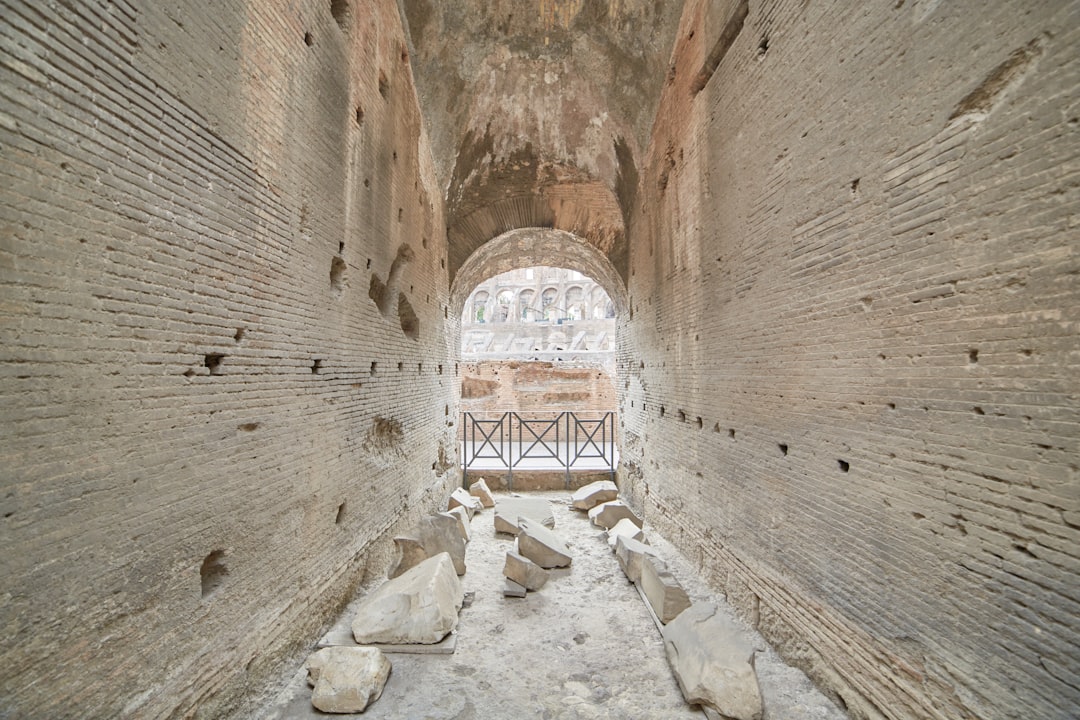
Lazio, a region in central Italy, is often overshadowed by its capital, Rome, yet it boasts a rich tapestry of history, culture, and natural beauty that deserves to be explored. This region is not only the political heart of Italy, but also a vibrant hub of art, architecture, and gastronomy.
Lazio’s landscape is diverse, with rolling hills, picturesque coastlines along the Tyrrhenian Sea, and the majestic Apennine Mountains.
The region’s historical significance runs deep—it was the cradle of the Roman Empire, and the remnants of this glorious past can be seen in its ancient ruins, churches, and palaces. But Lazio’s charm goes beyond its historical monuments. The region is dotted with enchanting towns and villages that offer a glimpse into traditional Italian life.
From the bustling streets of Rome to the peaceful countryside of the Castelli Romani, Lazio presents a unique blend of urban and rural experiences. Visitors can immerse themselves in local traditions, savor regional cuisine, and enjoy the warm hospitality of its people.
As you delve deeper into Lazio, it becomes clear that this region is a treasure waiting to be discovered.
Highlights of Lazio
- Lazio is a region in central Italy known for its rich history, stunning architecture, and delicious cuisine.
- Top attractions in Lazio include Rome’s iconic Colosseum, the beautiful Vatican City, and the ancient ruins of Pompeii.
- When visiting Lazio, be sure to try local specialties such as carbonara, cacio e pepe, and supplì at some of the region’s best eateries.
- Among Lazio’s hidden gems are the charming town of Tivoli, with its breathtaking Villa d’Este, and the picturesque seaside village of Sperlonga.
- Outdoor activities in Lazio range from exploring the beautiful beaches of the Amalfi Coast to hiking in the rugged Apennine Mountains.
- Practical travel tips for visiting Lazio include learning a few basic Italian phrases, being cautious of pickpockets in crowded areas, and making use of the region’s efficient public transportation system.
Top Attractions in Lazio
Ancient Rome’s Landmarks
The Colosseum, an architectural marvel and symbol of Ancient Rome, draws millions of visitors every year. This colossal amphitheater, built between 70 and 80 AD, once hosted gladiator contests and public spectacles. Its grandeur is matched only by the nearby Roman Forum, where the heart of public life in Ancient Rome once thrived.
Walking among these ruins offers a tangible connection to history, allowing visitors to imagine the bustling life that once filled these spaces.
Vatican City: A Treasure of Art and History
Vatican City, an independent city-state within Rome, is the spiritual center for Catholics around the world. The Vatican Museums house an extensive collection of art and historical artifacts, culminating in the Sistine Chapel, adorned with Michelangelo’s iconic frescoes.
St. Peter’s Basilica, with its magnificent dome designed by Michelangelo himself, stands as a masterpiece of Renaissance architecture and remains one of the largest churches in the world.
Discovering the Hidden Gems of Lazio
Beyond Rome, Lazio offers other remarkable attractions, such as the ancient town of Tivoli. Here, visitors can explore Villa d’Este, renowned for its magnificent gardens and fountains that exemplify Renaissance landscape design.
Nearby, Hadrian’s Villa (Villa Adriana), a vast complex built by Emperor Hadrian in the 2nd century AD, showcases the opulence of Roman architecture and offers a glimpse into imperial life.
These sites reflect the artistic and cultural achievements of their time and are must-see destinations for anyone seeking to understand Lazio’s historical significance.
The Best Places to Eat in Lazio
Lazio’s culinary scene is a delightful reflection of its rich agricultural heritage and diverse cultural influences. Roman cuisine is known for its simplicity and the use of fresh ingredients, making it both accessible and delicious.
No visit to Lazio is complete without tasting classic dishes like “cacio e pepe”, a pasta made with Pecorino Romano cheese and black pepper that perfectly embodies the region’s culinary philosophy.
Restaurants such as Trattoria Da Enzo al 29 in Trastevere serve this dish with authenticity and flair, attracting both locals and tourists. Another iconic dish is amatriciana, a pasta sauce made with guanciale, tomatoes, and Pecorino Romano. Originating from the town of Amatrice, in Lazio, it has become a staple in traditional Roman trattorias.
For an authentic experience, visitors can head to Osteria Bonelli in Testaccio, where traditional recipes are honored and served in a warm and welcoming atmosphere. The focus on high-quality ingredients and traditional techniques makes dining in Lazio a truly memorable experience.
Beyond its traditional dishes, Lazio also boasts a thriving wine scene that perfectly complements its culinary offerings.
The region is renowned for its white wines, particularly those produced in Frascati, a small town just outside Rome. Wine bars like Il Goccetto offer the opportunity to taste local wines paired with artisanal cheeses and cured meats.
The combination of food and wine in Lazio creates a sensory experience that reflects the region’s rich agricultural landscape and culinary traditions.
Hidden gems in Lazio
| City | Hidden gem | Reason to visit the city |
|---|---|---|
| Roma | Gardens of Villa Borghese | Beautiful park with art galleries and a lake |
| Tivoli | Villa d’Este | Magnificent Renaissance villa with splendid gardens |
| Civita di Bagnoregio | “The city that dies” | A unique city on top of a hill with breathtaking views |
| Calcata | Medieval village | Enchanting village known for its artistic community |
While many travelers flock to well-known attractions, Lazio is also home to hidden gems that offer unique experiences away from the crowds. One of these is the town of Civita di Bagnoregio, perched on a hill overlooking a beautiful valley. Often referred to as “the dying city” due to its eroded cliffs, Civita di Bagnoregio captivates visitors with its medieval charm and breathtaking views.
The narrow streets of the town are lined with ancient stone buildings, quaint shops, and inviting cafes where visitors can savor local delicacies while immersing themselves in a peaceful atmosphere. Another lesser-known treasure is the Etruscan city of Tarquinia, famous for its well-preserved tombs adorned with vibrant frescoes dating back to the 7th century BC. The Tarquinia Necropolis is a UNESCO World Heritage site that offers a glimpse into Etruscan civilization and burial practices. Exploring these ancient tombs provides a fascinating look at a culture predating Rome.
The nearby National Museum of Tarquinia houses artifacts that further illuminate Etruscan life and art. For those seeking natural beauty off the beaten path, the Circeo National Park offers breathtaking coastal landscapes and diverse ecosystems. This national park features pristine beaches, dense forests, and marshes teeming with wildlife.
Hiking trails wind through the park, offering the opportunity for birdwatching and enjoying the tranquility of nature. The park’s rich biodiversity makes it an ideal destination for outdoor enthusiasts looking to escape the hustle and bustle of urban life.
Outdoor activities in Lazio
The diverse landscape of Lazio offers ample opportunities for outdoor activities that cater to various interests. Hiking enthusiasts can explore the numerous trails winding through the Apennines or along the coast. The Simbruini Mountains National Park offers breathtaking views and well-marked trails suitable for all levels.
Hikers can traverse lush forests, encounter waterfalls, and discover hidden lakes, immersing themselves in the beauty of nature.
For those who prefer water activities, the Lazio coast offers opportunities for swimming, sailing, and snorkeling.
The beaches of Sperlonga are particularly appreciated for their crystal-clear waters and sandy shores.
Visitors can rent boats or join guided tours to explore hidden coves along the coast or engage in water sports such as paddleboarding or windsurfing. The coastal towns also feature charming beachside restaurants where fresh seafood can be enjoyed while admiring a stunning ocean view. Cycling is another fantastic way to experience the landscapes of Lazio.
The region boasts numerous cycling routes that pass through vineyards, olive groves, and picturesque villages. The Via Francigena, an ancient pilgrimage route stretching from Canterbury to Rome, offers cyclists the chance to explore historical sites and natural beauty along the way. Renting a bike allows travelers to discover hidden corners of Lazio at their own pace, enjoying the fresh air and breathtaking views.
Practical tips for visiting Lazio
Mastering public transportation
To navigate Lazio with ease, it’s essential to be familiar with the available public transportation options. The extensive metro network in Rome allows for quick access to major attractions, while trains departing from Termini Station can take you on day trips to nearby areas such as Tivoli or Frascati. Consider purchasing the Roma Pass, which offers discounts on public transportation and entry tickets to various museums.
Day planning
When visiting popular sites such as the Colosseum or the Vatican Museums, it’s advisable to book tickets online in advance to avoid long lines. Many attractions offer timed entry, allowing you to better plan your day and minimize wait times. Additionally, consider visiting during off-peak hours or seasons, such as early morning or late afternoon, which tend to be less crowded.
Embracing local customs and traditions
Cultural etiquette plays an important role in enhancing your travel experience in Lazio. Italians place great value on politeness, so greeting locals with “Buongiorno” or “Buonasera” can be very helpful in establishing rapport. Dining habits are also different: it’s customary to wait for all diners to arrive before starting the meal or to say “Buon Appetito” before eating. By embracing local customs, you’ll greatly enrich your travel experience. Participating in regional festivals or markets allows you to experience local traditions firsthand, taste authentic cuisine, and purchase handmade items as souvenirs.
If you’re planning a trip to Lazio, we recommend checking out this article on the Triq Italia website about the top attractions and things to do in the region: Lazio Travel Guide. This comprehensive guide will help you make the most of your visit to this beautiful area, from exploring ancient ruins to tasting delicious Italian cuisine. Don’t forget to also check the news section for updates and events happening during your stay: Lazio Travel News.
Frequently Asked Questions
What is Lazio?
Lazio is a region in central Italy, known for its rich history, beautiful landscapes, and cultural heritage. It is home to the capital, Rome, and is a popular tourist destination.
What are the most popular attractions in Lazio?
Some of the most popular attractions in Lazio include the Colosseum, the Roman Forum, the Vatican City, the Trevi Fountain, the Pantheon, and the picturesque town of Tivoli with its stunning Villa d’Este and Hadrian’s Villa.
What are the outdoor activities in Lazio?
Lazio offers a variety of outdoor activities such as hiking in the Apennines, exploring the beaches of the Tyrrhenian Sea, and visiting the beautiful lakes of Bracciano and Bolsena.
What is Lazio’s cuisine like?
Lazio is known for its delicious cuisine, which includes traditional Roman dishes such as carbonara, cacio e pepe, and supplì. The region also produces excellent wines, including Frascati and Cesanese del Piglio.
What is the best time to visit Lazio?
The best time to visit Lazio is during spring (from April to June) and autumn (from September to October), when the weather is mild and the tourist crowds are smaller. However, Lazio can be visited year-round, and each season offers its own unique charm.


